Ever found yourself staring at a calendar, realizing that the date of Father’s Day is rapidly approaching, and your gift idea feels as vague as last week’s weather forecast? You are not alone. The pressure to find the perfect gift for the dad in your life—whether he's into artisanal coffee brewing or obscure history documentaries—can feel like scaling Mount Everest with a half-eaten granola bar for sustenance. Many people wait until the panicked rush of the last two weeks, treating Father’s Day shopping as an emergency mission. But guess what? Planning ahead is not only less stressful but results in better gifts. This guide will show you exactly when should I plan for Father's Day shopping starts? so that your gifting journey is smooth, enjoyable, and successful.
Understanding the Gift-Giving Timeline: Why Early Bird Gets the Best Dad
The biggest mistake gift givers make is waiting until the last minute. The rush creates two problems: first, you settle for something generic (like socks or a gift card), and second, the best items—the highly anticipated gadget, the limited edition experience, or the deeply personal item—sell out fast. Thinking about when should I plan for Father's Day shopping starts? should move your mindset from "crisis management" to "thoughtful planning."
The timeline isn't just about buying; it’s about researching. Researching Dad’s hobbies, remembering what he complained about needing last fall, or finding out if his favorite local store is having any pre-order deals. If you tackle this early, the whole process feels less like a chore and more like detective work—a fun way to learn more about the person you love.
Phase One: The Inspiration Stage (6–8 Weeks Out)
This is where most people fail because they skip it entirely. This phase is purely dedicated to discovery. Do not buy anything yet! Your goal here is to gather intelligence on your dad's life, interests, and needs. Think of yourself as a private investigator with the best subject in the world: him.
Consider these preparatory steps:
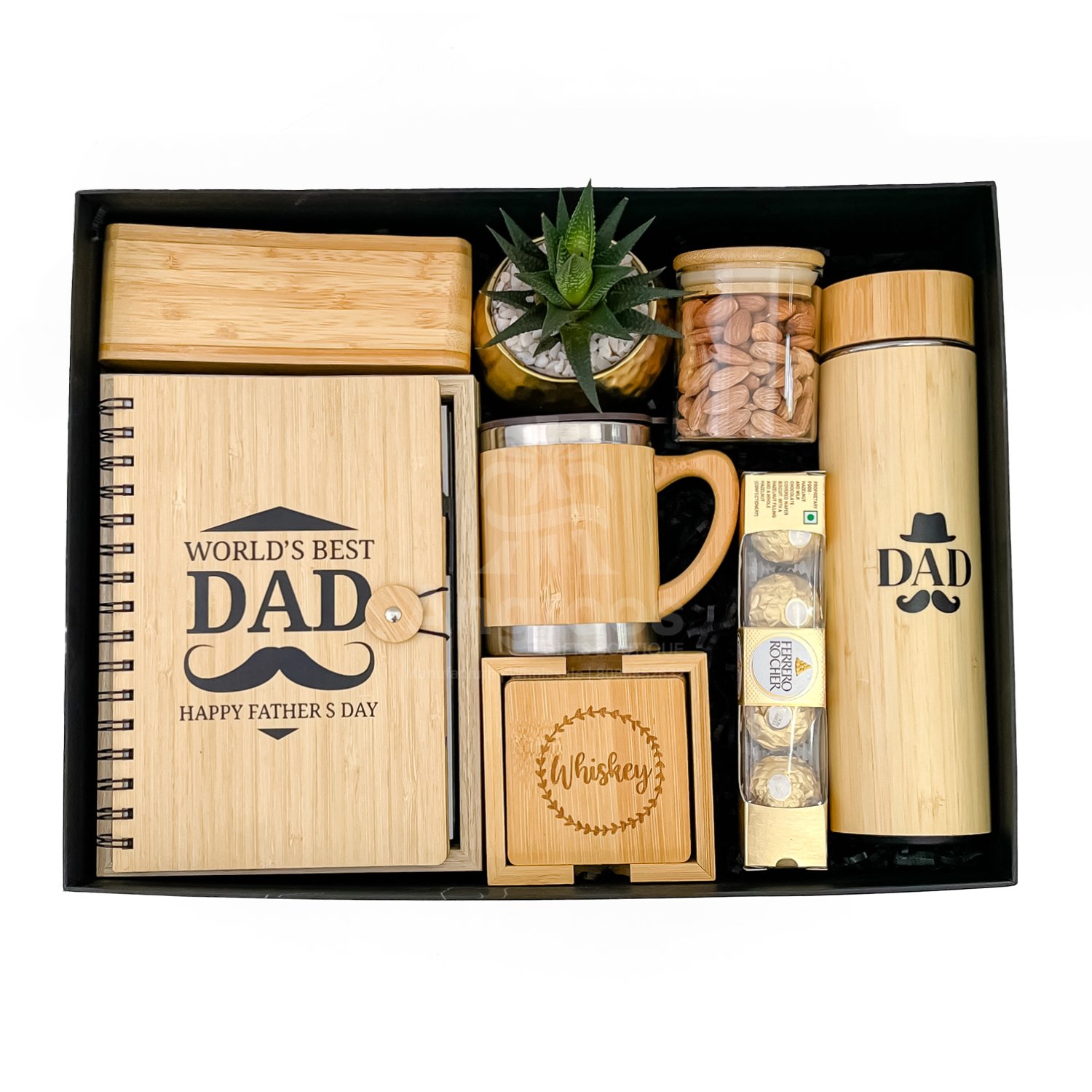
- Interview other family members: What do Aunt Carol or Uncle Bob think Dad would genuinely enjoy? They often have different perspectives than you do. Review his digital footprint (ethically!): Does he follow any specific accounts online? Are there certain brands he seems to be interested in, even just by liking photos of them? Analyze past gifts: What did you give him years ago that he actually used and smiled about? These are golden nuggets of information.
I remember a friend who was stressing because her dad seemed "too cool" for any gift. She spent two weeks researching his favorite era of music, found out he was obsessed with vinyl records from the 70s, and ended up gifting him a curated collection of albums. The payoff was priceless, proving that early research is worth its weight in gold.
Phase Two: The Deep Dive & Budgeting Stage (3–4 Weeks Out)
Now that you have solid ideas—perhaps a niche hobby or a recurring interest—it's time to move into the actionable planning phase. This is when thoughtful gift-giving starts taking shape. You should nail down 2–3 potential categories of gifts.
When thinking about when should I plan for Father's Day shopping starts?, remember that your budget needs to be treated like a non-negotiable boundary. Setting this early prevents you from falling into the trap of "just one more cool thing."

- Determine gift types: Is it an experience (tickets, weekend trip), a physical item (gadget, suit), or consumables (gourmet food, liquor)? Prioritize local vs. online: Some gifts are better sourced locally for the personal touch (like a custom woodworking piece), while others require global sourcing (like specialized electronic parts).
Do you want to give him something he needs, or something that will create a beautiful memory? Why not consider a combination—a new tool coupled with vouchers for a workshop where he can use it? This dual approach is often the winning ticket.
Phase Three: The Purchase Stage (1–2 Weeks Out)
This is the time for concrete shopping and, critically, wrapping. By buying one to two weeks out, you have a massive cushion against shipping delays, website outages, or unexpected product recalls. https://stephenrhry520.readspirex.com/posts/how-to-make-father-s-day-gifts-feel-personal-and-premium-the-ultimate-guide You can also allocate time for personalization. A handwritten note that references an inside joke or a specific memory elevates any gift immediately.
Don't forget about the presentation! The wrapping, the card, and the small accompanying detail are part of the overall gift experience. As one quote from behavioral economics suggests: "The anticipation is often more valuable than the item itself." By planning everything out now, The original source you maximize that positive anticipation leading up to Father’s Day.
Cultivating Lasting Connections Beyond Material Gifts
Ultimately, the best gifts aren't found in a shopping cart; they are found in the effort you put into thinking about the recipient. The goal is not just to buy something, but to communicate: "I see you. I remember what you like."
If you find yourself continually putting off this process, try viewing it as an opportunity for connection. Why not schedule a "Dad Interview" with him? Ask him what he’d like next year. This flips the script from guessing games to actual dialogue. What do your thoughts suggest about making these planning sessions routine? Perhaps marking Father's Day preparation as a yearly family tradition could reduce stress exponentially.
Looking Ahead: Building Your Future Gift-Giving Calendar
As you finish celebrating this year, don't let the momentum die. The key takeaway is that thoughtful giving is an ongoing habit, not a last-minute sprint. By establishing a routine—like starting your gift research 6–8 weeks out for major holidays or even just birthdays—you take away the crushing anxiety of the eleventh hour.
Start treating Father's Day planning like any other important project: break it into small, manageable tasks. Give yourself grace if you slip up, but always remember that a little early preparation goes a long way toward making your celebrations memorable and stress-free for everyone involved. Happy planning!